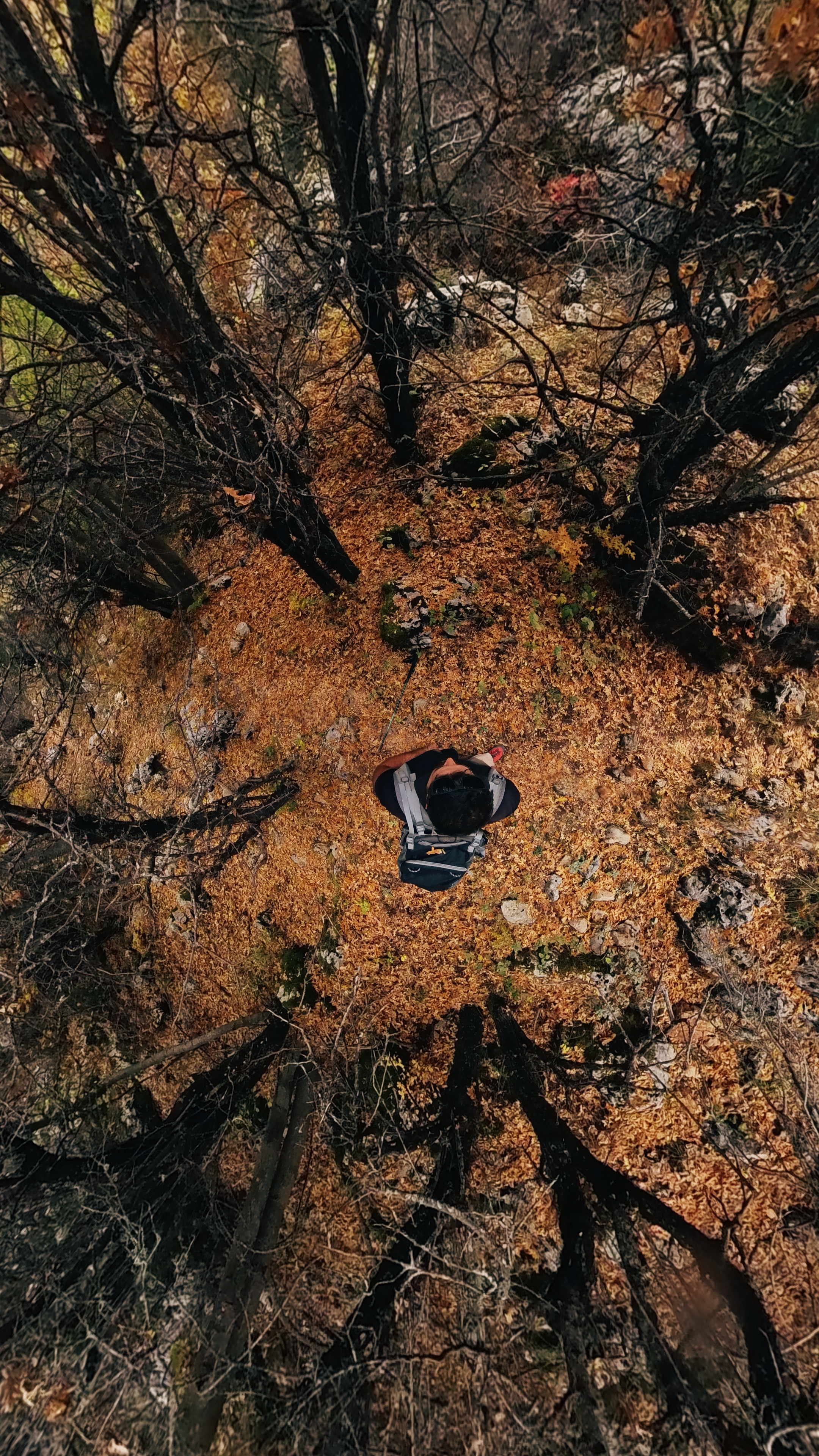
Summer may be the season of Lebanon’s highest summits, but autumn is when the mountains begin to show a completely different character.
The intense heat weakens, the air becomes cooler, and forest trails that felt exhausting during summer become comfortable again. Oak, maple, and other deciduous trees begin shifting from green to yellow, orange, and deep red.
But autumn hiking in Lebanon is not only about colorful photographs. The season changes the terrain, the weather, the available daylight, and the level of preparation required.
Autumn creates a valuable window between the heat of summer and the difficult conditions of winter.
Cooler temperatures make long distances and sustained climbs easier to manage. High mountain routes remain accessible before heavy snow arrives, while forest trails begin revealing colors that cannot be seen during the rest of the year.
Autumn hiking offers:
However, cooler weather does not automatically make a trail easy. Rain, wind, wet rocks, fallen leaves, and shorter daylight can increase the difficulty considerably.
There is no single week when autumn suddenly appears across Lebanon.
Elevation, location, exposure, and vegetation all affect when the landscape begins to change. Higher and colder areas usually enter autumn first, while lower forests and warmer valleys change later.
In general:
These are general patterns, not guaranteed dates. Temperature, rainfall, and strong wind can delay the colors or cause leaves to fall quickly.
Anyone promising perfect autumn colors on an exact date is guessing.
The best autumn destination depends on the type of hiking experience you want. Lebanon offers high mountain ridges, cedar forests, village trails, deep valleys, and long point-to-point crossings.
Areas around Ehden, Hadath El Jebbeh, Tannourine, Ezer Forests, and the surrounding highlands combine cedar forests, rocky mountains, traditional villages, and wide views.
Early autumn is suitable for higher and more exposed routes. As the season progresses, the forest trails become the main attraction.
Baskinta, Jabal Moussa, Laqlouq, Bqaatouta, Kfardebian, and the central mountain range offer a mixture of limestone formations, wooded slopes, valleys, and exposed ridges.
The difficulty varies significantly between routes. Some trails are accessible to regular hikers, while others include long climbs, technical terrain, or demanding descents.
Distance alone is never enough to describe these hikes.
Maasser El Chouf, Barouk, Ain Zhalta, and the surrounding mountains are among Lebanon’s strongest autumn hiking areas.
The region combines cedar forests, oak woodland, open highlands, and views extending toward the Bekaa Valley. Different elevations also mean the autumn transformation does not happen everywhere at once.
As temperatures continue to fall, Jezzine and its surrounding villages become increasingly attractive for hiking.
Pine forests, cliffs, agricultural terraces, and traditional village paths give southern autumn trails a character different from the high and exposed terrain of northern Lebanon.
The objective should not be to collect famous destination names. It should be to choose a route that matches the weather, terrain, and ability of the hikers.
An autumn trail may look easier than it actually is.
Fallen leaves can hide loose stones, holes, roots, and unstable ground. Rain can make limestone and steep descents extremely slippery. A comfortable temperature at the starting point may become cold wind on an exposed ridge.
Hikers should expect:
Autumn is comfortable when respected. It becomes dangerous when hikers prepare for the weather in the city instead of the conditions on the mountain.
The correct approach to autumn hiking is layering.
One heavy jacket is not practical because the body heats up during climbs and cools down quickly during breaks.
Essential equipment includes:
A headlamp is especially important. Sunset arrives earlier during autumn, and delays can happen because of weather, group pace, or difficult terrain. A phone flashlight is not a proper replacement.
Always check the forecast for the trail’s actual elevation, not only for Beirut or the nearest village.
A serious trail description must provide more than a general label such as easy, moderate, or hard.
Before choosing a hike, check:
A 10-kilometer route with a steep climb, unstable descent, and wet rocks can be harder than a 15-kilometer route on stable terrain.
The difficulty label means nothing when the information behind it is missing.
Autumn landscapes are beautiful but fragile.
Stay on established trails, avoid damaging trees and plants, and carry out everything you bring. Do not leave food waste, carve trees, or light fires in uncontrolled areas.
Access conditions and reserve regulations can also change. Always verify the route before entering protected or unfamiliar terrain.
Autumn hiking in Lebanon is usually marketed through colorful leaves. That is only the surface.
The real value of the season is the range of experiences it opens: high ridges without the brutal summer heat, forest crossings through changing landscapes, long trails between mountain villages, and quiet routes that feel completely different after the crowds disappear.
At Highlanders961, we choose autumn routes according to terrain, altitude, weather, and the actual ability required—not according to which destination name is easiest to sell.
Some hikes are accessible. Others demand endurance and experience.
The difference should always be clear before anyone joins.